Renting a storage unit for the first time can feel overwhelming, especially when you’re unfamiliar with the process, pricing, and features that matter most. Whether you’re downsizing your home, storing business inventory, or need temporary space during a move, understanding what to look for helps you make informed decisions and avoid costly mistakes. This guide covers everything first-time renters in Rutland, Vermont need to know about selecting and using self storage Rutland VT facilities effectively.
Table of Contents
- Understanding Storage Unit Types Available in Rutland
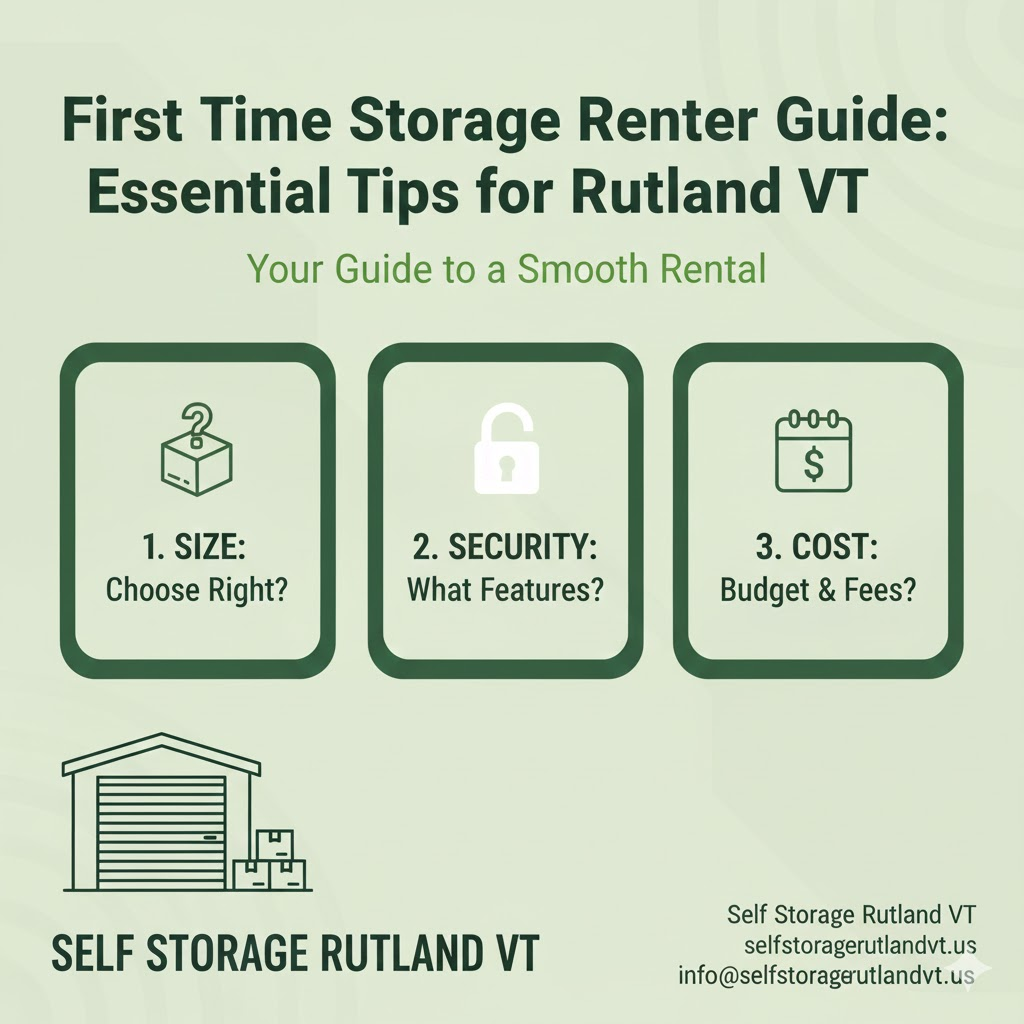
- Choosing the Right Storage Unit Size
- Climate Control Considerations for Vermont Weather
- Security Features That Matter
- Reading and Understanding Rental Agreements
- Packing and Organization Best Practices
- Access Hours and Location Factors
- Cost Considerations and Hidden Fees
- Insurance and Protection Options
- FAQs
- Conclusion
Understanding Storage Unit Types Available in Rutland
Storage facilities in Rutland offer several unit types designed for different needs and budgets. Indoor units provide the most protection from Vermont’s harsh weather, with temperature-controlled environments that prevent damage from humidity and extreme temperatures.
Outdoor units or drive-up access units allow you to pull your vehicle directly to the door, making loading and unloading easier for heavy items or furniture. These units typically cost less than indoor options but offer less climate protection.
Vehicle storage options accommodate cars, boats, RVs, and recreational equipment. Some facilities offer covered parking, while others provide fully enclosed units for maximum protection during Vermont’s snowy winters.
Choosing the Right Storage Unit Size
First-time renters frequently make the mistake of either renting too large a unit or cramming belongings into a space that’s too small. According to the Self Storage Association offers valuable resources and tips for first-time storage renters to navigate the process effectively., the average storage unit size rented in the United States is 10×10 feet, but your needs depend on what you’re storing.
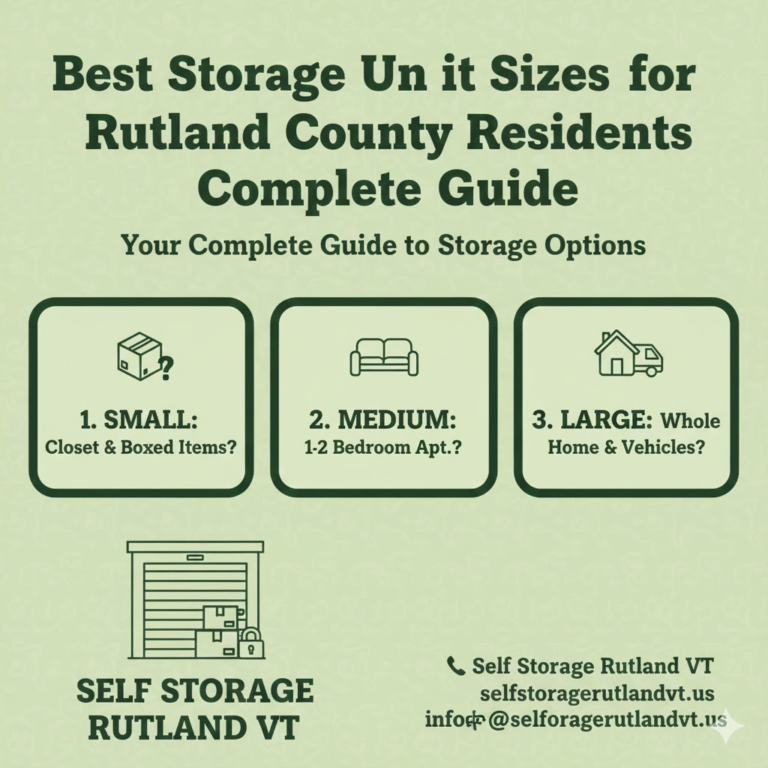
A 5×5 unit works for small apartment cleanouts, seasonal items, or business document storage. This compact space holds about 15 to 20 boxes or the contents of a large closet.
A 10×10 unit accommodates a one-bedroom apartment’s worth of furniture, including a mattress set, couch, dining table, and boxes. Most first-time renters storing household goods find this size sufficient.
Larger 10×20 units can hold contents from a three-bedroom house, multiple vehicles, or substantial business inventory. These units provide approximately 200 square feet of floor space.
Creating a detailed inventory of items before visiting storage facilities helps you determine the appropriate size. Most facilities offer size guides and staff who can recommend suitable options based on your list, providing valuable storage tips for first-time renters.
Climate Control Considerations for Vermont Weather
Vermont’s weather presents unique challenges for storage, with temperature swings from below zero in winter to the 80s in summer, making climate-controlled storage units a smart choice. Humidity levels also fluctuate significantly throughout the year, creating conditions that can damage sensitive belongings.
Climate-controlled units maintain consistent temperatures between 55 and 80 degrees Fahrenheit year-round. These units also regulate humidity, typically keeping levels between 30 and 50 percent to prevent mold, mildew, and moisture damage.
Items that require climate control include wooden furniture, leather goods, electronics, photographs, documents, artwork, musical instruments, and antiques. The Environmental Protection Agency notes that mold grows in environments with humidity levels above 60 percent, making climate control essential for long-term storage in Vermont’s variable climate.
Standard units without climate control work fine for items like metal tools, outdoor equipment, and vehicles. These units cost 20 to 40 percent less than climate-controlled options, making them budget-friendly for items that can withstand temperature fluctuations.
Security Features That Matter
Security should rank among your top priorities when selecting a storage facility. Professional facilities in Rutland implement multiple security layers to protect your belongings from theft and unauthorized access.
Perimeter fencing with controlled access gates requires entry codes or key cards, preventing random individuals from entering the property. This first line of defense restricts facility access to paying customers only.
Surveillance cameras positioned throughout the facility monitor activity 24 hours a day. Modern systems record high-definition footage that can identify individuals and vehicle license plates.
Individual unit alarms alert management if someone attempts to access a unit without proper authorization. Some facilities also offer cylinder locks and disc locks that resist bolt cutters and picking attempts, ensuring your storage space remains secure for first-time renters.
On-site management provides an additional security layer, with staff present during business hours to monitor the property and respond to concerns. Facilities with resident managers offer around-the-clock presence for maximum security.
Well-lit premises deter criminal activity, particularly in outdoor storage areas. LED lighting should illuminate all walkways, unit doors, and parking areas throughout the night.
Reading and Understanding Rental Agreements
Storage rental agreements contain important terms that affect your rights and responsibilities. First-time renters should read these documents carefully before signing.
Monthly rental rates should be clearly stated, along with any promotional discounts and when standard rates take effect. Some facilities offer first-month specials that expire after 30 days, significantly increasing your second month’s cost, so it’s wise to check for tips for first-time storage.
Payment due dates and accepted payment methods prevent misunderstandings about when rent is due. Most facilities charge late fees after a grace period, typically three to five days after the due date.
Access hours define when you can enter the facility and access your unit. Some locations offer 24-hour access, while others restrict access to business hours or specific timeframes.
Lien and auction policies explain what happens if you stop paying rent. Vermont law allows storage facilities to auction unpaid units after proper notification, as outlined by Vermont statutes.
Insurance requirements specify whether facility insurance is mandatory or if you can use your homeowner’s or renter’s insurance. Understanding these requirements prevents coverage gaps.
Packing and Organization Best Practices
Proper packing protects your belongings and maximizes available space. First-time storage users often underestimate the importance of organization and end up damaging items or creating chaotic units.
Use sturdy boxes designed for moving and storage rather than grocery store boxes that collapse under weight. Uniform box sizes stack more efficiently and create stable columns.
Label all boxes on multiple sides with detailed contents lists and destination rooms. This practice helps you locate specific items without opening every box.
Disassemble furniture when possible to save space and prevent damage. Remove table legs, take apart bed frames, and store hardware in labeled bags taped to the corresponding furniture pieces, which are practical storage tips for first-time movers.
Create aisles within your unit by leaving walkways down the center or sides. This organization method allows you to access items stored in the back without moving everything in front.
Store frequently needed items near the unit entrance. Seasonal decorations, important documents, or business inventory you access regularly should remain easily reachable.
Place moisture-absorbing products like silica gel packets or moisture absorbers in boxes containing sensitive items. These products provide extra protection even in climate-controlled units.
Access Hours and Location Factors
Facility location and access hours significantly impact convenience for both homeowners and businesses. Choosing a facility near your home or business reduces transportation time and fuel costs.
Rutland County facilities located near major routes like US Route 7 and US Route 4 offer easier access for loading and unloading. Consider drive time during different times of day, as rush hour traffic can extend travel time significantly.
Gate access hours determine when you can retrieve or store items. Facilities offering 24-hour access provide maximum flexibility for people with non-traditional work schedules or those managing unexpected needs.
Business hours for customer service and management access matter when you need assistance, want to change unit sizes, or have questions about your account. Facilities with extended office hours or weekend availability provide better customer service options, enhancing the experience for first-time storage renters.
Cost Considerations and Hidden Fees
Storage costs in Rutland vary based on unit size, climate control, security features, and location. Understanding the complete cost structure prevents budget surprises.
Monthly rental rates typically range from $50 for small 5×5 units to $200 or more for large climate-controlled storage units. Prices fluctuate based on demand, with rates sometimes increasing during peak moving months in summer, making it essential for first-time storage renters to plan ahead.
Administrative fees charged at move-in cover paperwork processing and account setup, a detail that first-time storage renters should be aware of. These one-time charges usually range from $10 to $30.
Lock purchases are mandatory at most facilities if you don’t bring your own. Facility-provided locks cost $10 to $30 but meet security standards required by insurance policies.
Insurance fees apply if you purchase facility-provided coverage. Monthly insurance costs depend on the declared value of stored items, typically ranging from $10 to $25 per month.
Late payment fees accumulate when rent payments arrive after the grace period, a crucial detail for first-time storage renters to keep in mind. These charges range from $10 to $50 depending on the facility’s policy.
Rate increases can occur with advance notice, typically 30 to 60 days. Most facilities limit increases to once per year, but understanding these policies helps you budget appropriately, which is one of the key storage tips for first-time renters.
Insurance and Protection Options
Storage insurance protects your belongings from damage, theft, or loss while in storage. First-time renters should understand available coverage options before moving items into a unit.
Homeowner’s and renter’s insurance policies sometimes extend coverage to stored belongings, but limitations often apply. Contact your insurance provider to verify coverage amounts and any restrictions on storage duration or item types.
Facility-provided insurance offers convenient coverage specifically designed for stored items. These policies typically provide comprehensive protection for common risks including fire, theft, water damage, and pest damage.
Third-party storage insurance companies specialize in coverage for stored belongings and often provide higher coverage limits at competitive rates. Companies like National Storage Insurance offer policies tailored to storage situations.
Document your belongings with photographs and detailed inventories before storage, an important storage tip for first-time renters. This documentation supports insurance claims if you need to file for damaged or stolen items, a crucial step for first-time storage renters to consider.
Frequently Asked Questions
What is the average cost of renting a storage unit in Rutland VT?
The average cost of renting a storage unit in Rutland VT ranges from $50 to $200 per month depending on size and features. Small 5×5 units cost around $50 to $75 monthly, while larger 10×20 climate-controlled units can cost $150 to $200 or more.
How long do most people rent storage units?
Most people rent storage units for three to six months according to industry data, though rental periods vary widely based on individual circumstances. Business users often maintain long-term rentals lasting years, while residential customers typically rent for shorter periods during moves or home renovations.
Can I access my storage unit anytime?
Storage unit access depends on the facility’s policies and hours. Many Rutland facilities offer 24-hour access with keypad or key card entry, while others restrict access to specific hours like 6 AM to 10 PM. Confirm access hours before renting to ensure they match your schedule.
Do I need insurance for my storage unit?
Insurance for storage units is typically required by rental agreements, though you may have options for coverage sources. You can use existing homeowner’s or renter’s insurance if it covers stored items, purchase facility-provided insurance, or obtain third-party storage insurance, an essential consideration for first-time storage renters. Verify coverage requirements with your chosen facility.
What items cannot be stored in a storage unit?
Items prohibited in storage units include hazardous materials, flammable liquids, explosives, perishable food, illegal substances, stolen goods, and living plants or animals. Most facilities also prohibit weapons and ammunition. Review your facility’s prohibited items list to ensure compliance.
How do I determine what size storage unit I need?
To determine storage unit size needs, create a detailed inventory of items you plan to store and consult facility size guides that show how much fits in each unit dimension. Most facilities offer free size consultations where staff help you select appropriate space based on your inventory list. Starting with a slightly larger unit than you think necessary prevents overcrowding.
What is climate-controlled storage and do I need it in Vermont?
Climate-controlled storage maintains consistent temperature and humidity levels year-round, typically between 55 and 80 degrees with 30 to 50 percent humidity. In Vermont, climate control is recommended for wooden furniture, electronics, photographs, documents, musical instruments, and anything sensitive to temperature fluctuations or moisture. Vermont’s extreme seasonal temperature changes and humidity variations make climate control valuable for long-term storage.
Conclusion
Renting your first storage unit in Rutland requires careful consideration of size, climate control, security features, location, and costs. By understanding rental agreements, organizing your belongings properly, and selecting appropriate insurance coverage, you protect your items while maximizing value from your storage investment.
Take time to visit multiple facilities, ask questions about policies and fees, and compare options before committing to a rental agreement. The right storage solution provides peace of mind whether you’re storing household belongings during a move or managing business inventory long-term.
Ready to find the perfect storage solution? Contact Self Storage Rutland VT at info@selfstoragerutlandvt.us to discuss your storage needs and explore available units in Rutland County.